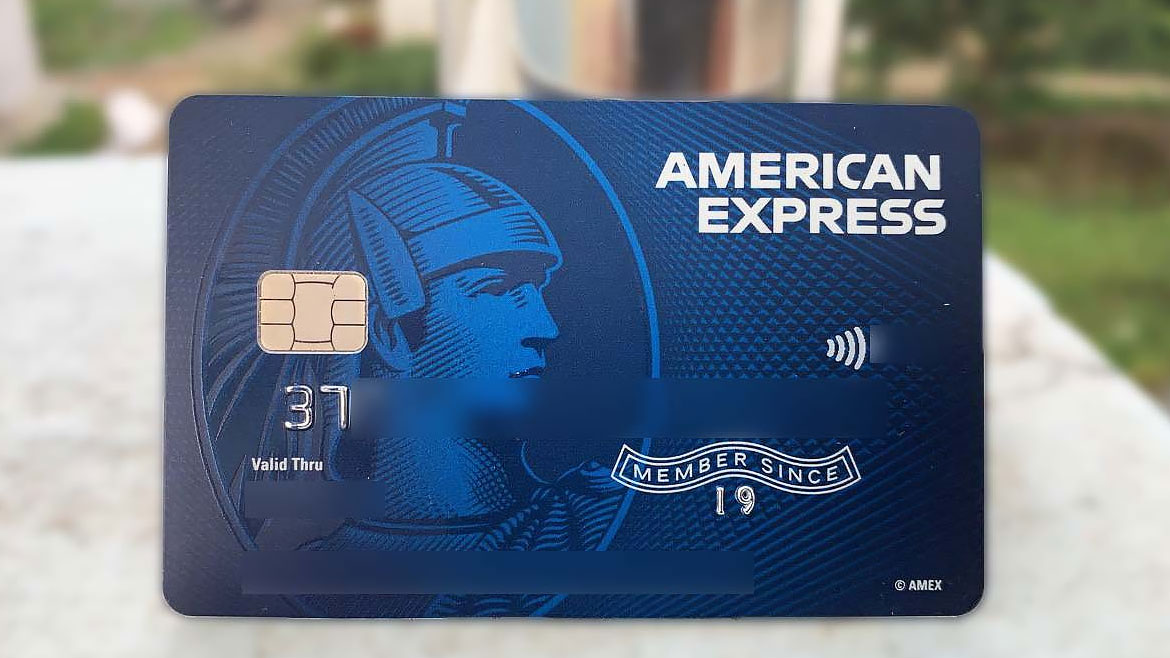
American Express, based in New York, New York, has agreed to pay a $108.7 million civil penalty to resolve allegations that it violated the Financial Institutions Reform, Recovery, and Enforcement Act of 1989 (FIRREA) by deceptively marketing credit card and wire transfer products and entering “dummy” Employer Identification Numbers in its affiliate bank’s credit card accounts.
Principal Deputy Assistant Attorney General Brian M. Boynton, head of the Justice Department’s Civil Division, said financial companies that deceive customers or lie to cover up regulatory violations threaten our economic system. Today’s settlement shows that the department will punish those who break their confidence in obeying financial institution standards, being honest about their business activities, and being accountable.
The US accused American Express of falsely marketing credit cards to small businesses through a connected firm from 2014 to 2017. The claimed misleading activities included misrepresenting card incentives or costs, whether credit checks would be done without consent, and overstating a business’s profits to prospective consumers.
The US also accused American Express of deceiving its federally insured financial institution into allowing small company customers to obtain credit cards without employer identification numbers. Corporate and partnership card recipients must have EINs, whereas single proprietors do not. The US said that American Express staff opened small business credit cards with “dummy” EINs such as “123456788,” in 2015 and the first half of 2016. These cards replaced a discontinued American Express co-branded credit card. American Express left these “dummy” EINs on credit card accounts for two years before fixing it. American Express allegedly knew that many minor business applicants had previously obtained American Express-issued co-brand cards that required EINs for corporations or partnerships but assumed they were sole proprietors if the EIN line was blank. That technique compounded American Express’s EIN errors when selling replacement cards to these customers.
The US also claimed that American Express personnel misrepresented the tax benefits of Payroll Rewards and Premium Wire to small business customers from 2018 to 2021. American Express allegedly wired money for a far higher price than competitors and awarded businesses or their owners credit card membership reward points for both items. American Express salespeople allegedly informed consumers that wire transfer fees were tax deductible as business expenses and reward points were not taxable, giving them tax-free benefits. However, the US argued that the above-market wire cost was not deductible as an ordinary or necessary business expense if a client incurred it for personal gain.
Along with the civil resolution, American Express will pay a criminal fine and forfeiture and enter into a non-prosecution agreement with the Eastern District of New York U.S. Attorney’s Office. That agreement covers only Payroll Rewards and Premium Wire. If it pays the forfeiture and fine amounts under the criminal resolution, American Express will earn a $30.35 million credit toward the civil penalty under the civil settlement.
“This multi-million-dollar settlement holds American Express accountable for violating FIRREA through unlawful sales tactics and recordkeeping requirements and deceiving small business customers who trusted the company,” said FDIC-OIG Mid-Atlantic Region Special Agent in Charge Jeffrey D. Pittano. “The FDIC-OIG will continue to work with our law enforcement partners to investigate financial crimes that harm customers and undermine our nation’s financial institutions.”
“Today’s multimillion-dollar settlement should make clear that financial companies that engage in fraudulent and deceptive practices will be held accountable,” said Special Agent in Charge John T. Perez of Headquarters Operations, Office of Inspector General for the Board of Governors of the Federal Reserve System and Consumer Financial Protection Bureau. “We are proud to have achieved this result with our federal law enforcement partners.”
The Federal Reserve Board of Governors’ Legal Division and the Office of the Comptroller of the Currency’s Chief Counsel’s Office assisted Civil Division Commercial Litigation Branch, Fraud Section attorneys Daniel Spiro and Mary Beth Hickcox-Howard. Senior Special Agents Brittany Harding, Will Burmeister, and Mike Serra of the Department of Treasury, Federal Reserve Board, and Federal Insurance Deposit Corporation investigated.
The settlement resolves complaints only, except for criminal activity. No responsibility is established.