Project Veritas, the conservative activist organization known for its covert undercover videos aimed at exposing alleged corruption and misconduct, has announced plans to appeal the Supreme Court’s decision to uphold Oregon’s ban on secret recordings. The case involves the state’s stringent laws regarding the recording of conversations without the consent of all parties involved. The Oregon law, which criminalizes the act of secretly recording private conversations, has been a point of contention for several years, particularly for Project Veritas, which has employed such tactics in its investigations to expose hidden wrongdoing.
The legal battle began when Project Veritas’s operatives used hidden cameras to record conversations with individuals who were unaware that they were being filmed. The organization’s mission often involves secretly recording people in power, including politicians, journalists, and union leaders, in an effort to reveal information that Project Veritas believes the public has a right to know. The organization has made a name for itself through its controversial sting operations, which have led to the exposure of undercover footage that Project Veritas claims reveals bias, corruption, and unethical practices.
However, Oregon law prohibits the recording of private conversations unless all participants in the conversation consent. The law, in place for many years, was designed to protect individuals from the invasion of privacy that could result from surreptitious recordings. Project Veritas’s practices of secretly recording individuals without their consent led to a legal challenge, with the state arguing that the organization had violated the law by recording without the required consent.
The appeal, filed by Project Veritas, argues that the Oregon law infringes upon the organization’s First Amendment rights, which protect freedom of speech and the press. Project Veritas contends that covert recordings are an essential tool for investigative journalism, especially in situations where individuals in power may otherwise conceal illegal or unethical behavior. The organization claims that the law essentially stifles their ability to expose corruption by restricting their ability to gather evidence through covert means.
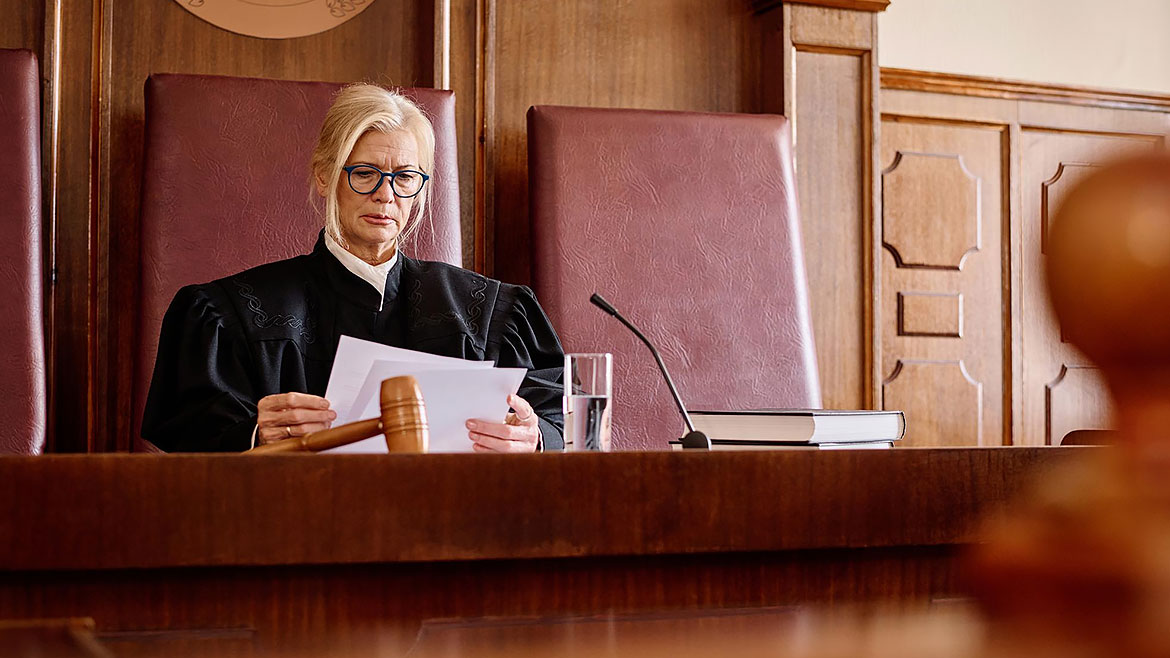
In December 2024, the U.S. Supreme Court ruled to uphold Oregon’s law, affirming that the state’s interest in protecting individuals’ privacy outweighs the First Amendment rights of the organization. The Court emphasized the importance of safeguarding privacy, particularly in the context of private conversations, and determined that the law does not violate the Constitution’s protections on freedom of speech. This decision was seen as a significant setback for Project Veritas, which had hoped that the Court would rule in its favor, allowing the group to continue using covert recordings as a tool for its investigations.
Despite the loss at the Supreme Court level, Project Veritas remains undeterred. The organization is moving forward with plans to challenge the decision, seeking to overturn the ruling and restore its ability to conduct secret recordings. Project Veritas’s founder, James O’Keefe, expressed confidence that the legal fight is far from over, and the organization intends to continue its mission of uncovering hidden truths through undercover journalism.
The case has drawn attention from both supporters and critics of Project Veritas. Supporters argue that the organization’s investigative tactics are essential in holding powerful institutions accountable, especially in cases where public figures may otherwise be able to conceal their actions. They believe that restrictions on undercover recordings would set a dangerous precedent, preventing journalists and activists from exposing corruption or unethical behavior.
On the other hand, critics argue that Project Veritas’s tactics often involve deception and manipulation, leading to the targeting of individuals in ways that may be unethical or intrusive. Some also contend that the organization’s activities could lead to a chilling effect on free expression, as individuals may feel deterred from engaging in private conversations out of fear that they could be secretly recorded.
The debate over covert recordings and the balance between privacy and free speech is likely to continue to be a contentious issue. While some view undercover journalism as an important tool for accountability, others emphasize the importance of respecting privacy and ensuring that individuals are not subjected to deceptive tactics. The outcome of the appeal could have far-reaching implications for how covert recordings are treated legally, especially for organizations like Project Veritas that rely on these tactics as part of their investigative approach.
In conclusion, the Supreme Court’s decision to uphold Oregon’s ban on covert recordings has sparked a major legal and ethical debate, with Project Veritas vowing to continue fighting for the right to conduct undercover investigations. The case raises important questions about the intersection of privacy, free speech, and investigative journalism, and it will likely shape the future of legal standards around covert recording practices. As the appeal moves forward, it will be interesting to see how courts and lawmakers respond to the tension between privacy protections and the rights of journalists to gather information through secret recordings.